
AC Service: Understanding Maintenance Processes And Benefits

Common Methods and Tools in AC Service: Techniques and Practices
AC service typically involves a standardized set of methods and specialized tools. Filter changes can usually be performed by gently removing the access panel and replacing the contaminant filter with a compatible model. Coil cleaning often utilizes brushes, fin combs, or commercially available coil cleaner solutions designed to dissolve grime without damaging sensitive metal fins.
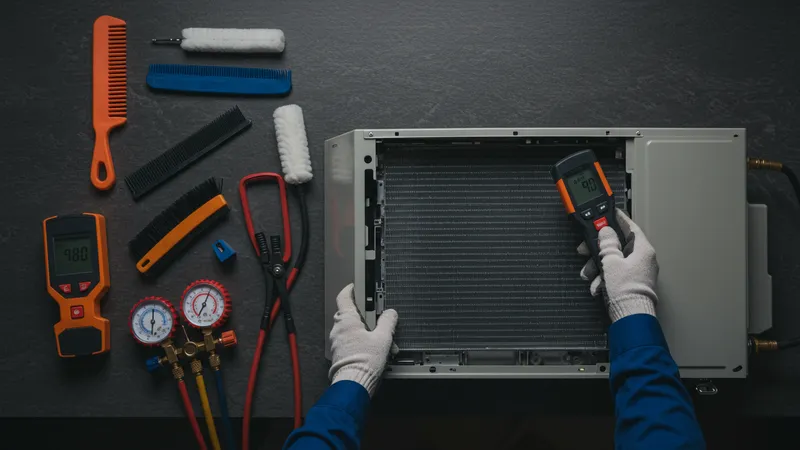
For refrigerant checks, technicians use pressure gauges and thermometers to compare system readings against manufacturer specifications. If refrigerant levels are low, additional checks for leaks are generally conducted using electronic detectors or ultraviolet dye techniques. Only certified professionals are permitted to handle refrigerants due to environmental safety protocols.
Some service visits may incorporate digital diagnostic tools, including electrical multimeters for evaluating connections and sensors, and smart HVAC analyzers that record operational metrics. The use of these instruments can enhance diagnostic accuracy, providing data about system cycling, voltage irregularities, or mechanical lag, informing subsequent service actions.
Drain line maintenance is another common step, with service personnel using vacuum pumps or flexible brushes to clear potential obstructions. Clogged condensation lines may cause water back-up and are a frequent source of service calls. Regular attention to this detail helps minimize the risk of moisture accumulation and property damage.
AC service typically involves a standardized set of methods and specialized tools. Filter changes can usually be performed by gently removing the access panel and replacing the contaminant filter with a compatible model. Coil cleaning often utilizes brushes, fin combs, or commercially available coil cleaner solutions designed to dissolve grime without damaging sensitive metal fins.
For refrigerant checks, technicians use pressure gauges and thermometers to compare system readings against manufacturer specifications. If refrigerant levels are low, additional checks for leaks are generally conducted using electronic detectors or ultraviolet dye techniques. Only certified professionals are permitted to handle refrigerants due to environmental safety protocols.
Some service visits may incorporate digital diagnostic tools, including electrical multimeters for evaluating connections and sensors, and smart HVAC analyzers that record operational metrics. The use of these instruments can enhance diagnostic accuracy, providing data about system cycling, voltage irregularities, or mechanical lag, informing subsequent service actions.
Drain line maintenance is another common step, with service personnel using vacuum pumps or flexible brushes to clear potential obstructions. Clogged condensation lines may cause water back-up and are a frequent source of service calls. Regular attention to this detail helps minimize the risk of moisture accumulation and property damage.