
AC Service: Understanding Maintenance Processes And Benefits

Benefits of AC Service: Efficiency, Longevity, and Indoor Comfort
One widely discussed benefit of routine AC service is its potential contribution to improved system efficiency. When filters and coils are clean, and refrigerant is correctly charged, the air conditioner can often operate with reduced strain, which may lead to lower electricity usage. Industry studies and energy agencies, such as the US Department of Energy, suggest that well-maintained systems can use between 5% and 15% less energy for cooling under normal conditions.
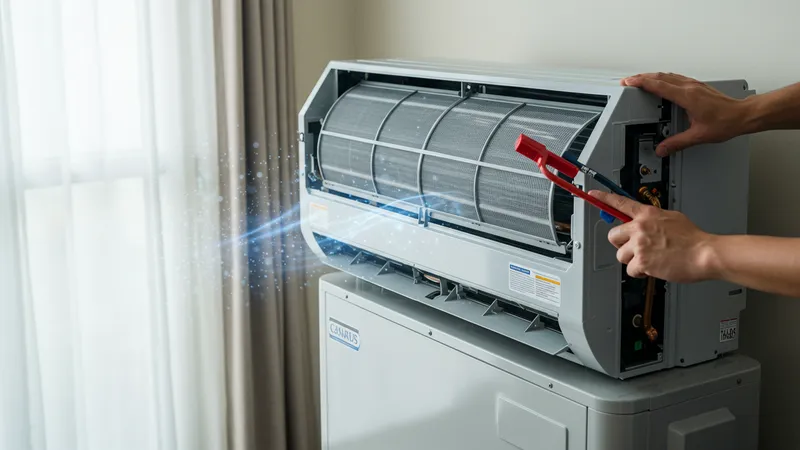
Regular maintenance may also play a substantial role in prolonging the functional life of an air conditioning unit. Dirt accumulation, unchecked refrigerant leaks, and other preventable issues can cause premature wear on components, sometimes resulting in breakdowns that are costlier to address. Addressing minor maintenance tasks regularly may help avoid the need for major part replacements or full system upgrades over time.
Indoor comfort is another aspect frequently linked to effective AC service. Properly maintained systems can provide more consistent airflow, accurate temperature regulation, and improved humidity control. These factors typically result in better occupant experience and may reduce the likelihood of discomfort due to uneven cooling or poor air circulation within the serviced environment.
Air quality concerns may also be partially addressed through routine AC service, particularly filter replacement and coil cleaning. Filters can capture airborne particles, while coil cleaning limits the potential for mold or dust build-up inside the unit. Though regular AC maintenance may contribute to a healthier indoor environment, it is important to note that it is only one element of a multi-faceted approach to air quality management.
One widely discussed benefit of routine AC service is its potential contribution to improved system efficiency. When filters and coils are clean, and refrigerant is correctly charged, the air conditioner can often operate with reduced strain, which may lead to lower electricity usage. Industry studies and energy agencies, such as the US Department of Energy, suggest that well-maintained systems can use between 5% and 15% less energy for cooling under normal conditions.
Regular maintenance may also play a substantial role in prolonging the functional life of an air conditioning unit. Dirt accumulation, unchecked refrigerant leaks, and other preventable issues can cause premature wear on components, sometimes resulting in breakdowns that are costlier to address. Addressing minor maintenance tasks regularly may help avoid the need for major part replacements or full system upgrades over time.
Indoor comfort is another aspect frequently linked to effective AC service. Properly maintained systems can provide more consistent airflow, accurate temperature regulation, and improved humidity control. These factors typically result in better occupant experience and may reduce the likelihood of discomfort due to uneven cooling or poor air circulation within the serviced environment.
Air quality concerns may also be partially addressed through routine AC service, particularly filter replacement and coil cleaning. Filters can capture airborne particles, while coil cleaning limits the potential for mold or dust build-up inside the unit. Though regular AC maintenance may contribute to a healthier indoor environment, it is important to note that it is only one element of a multi-faceted approach to air quality management.