
AC Service: Understanding Maintenance Processes And Benefits

Considerations and Limitations of AC Service: Practical Factors
While AC service offers multiple potential advantages, there are practical considerations and limitations. Maintenance frequency should be tailored to system usage, occupancy level, and environmental conditions such as dust or airborne pollutants. For example, a home in a high-pollen area or a commercial building with significant foot traffic may require more frequent filter changes compared to less active or better-sealed spaces.
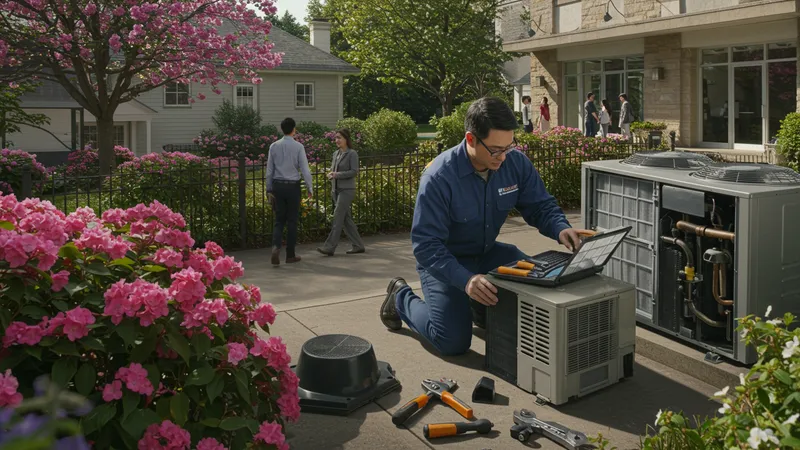
Service costs can vary depending on the unit type, service provider, geography, and the inclusion of replacement parts or advanced diagnostics. Many HVAC specialists offer fixed-rate annual maintenance plans, whereas ad hoc service visits may incur variable costs. Property owners and facility managers may review plan details and compare typical price ranges to select an appropriate approach for their needs.
Another consideration involves equipment age and warranty terms. Older AC systems might require more extensive or frequent maintenance, and manufacturers sometimes outline specific service intervals as a condition of equipment warranties. Failure to adhere to these requirements may affect future claims or coverage eligibility, so retaining detailed service documentation is recommended.
Routine AC service does not address every possible contingency, such as unforeseen breakdowns due to component defect or power surges. While professional maintenance can help reduce the likelihood of certain issues, some repairs may still become necessary as the system ages. Ongoing awareness and a proactive approach to maintenance, combined with professional support, can help manage expectations and support consistent performance.
While AC service offers multiple potential advantages, there are practical considerations and limitations. Maintenance frequency should be tailored to system usage, occupancy level, and environmental conditions such as dust or airborne pollutants. For example, a home in a high-pollen area or a commercial building with significant foot traffic may require more frequent filter changes compared to less active or better-sealed spaces.
Service costs can vary depending on the unit type, service provider, geography, and the inclusion of replacement parts or advanced diagnostics. Many HVAC specialists offer fixed-rate annual maintenance plans, whereas ad hoc service visits may incur variable costs. Property owners and facility managers may review plan details and compare typical price ranges to select an appropriate approach for their needs.
Another consideration involves equipment age and warranty terms. Older AC systems might require more extensive or frequent maintenance, and manufacturers sometimes outline specific service intervals as a condition of equipment warranties. Failure to adhere to these requirements may affect future claims or coverage eligibility, so retaining detailed service documentation is recommended.
Routine AC service does not address every possible contingency, such as unforeseen breakdowns due to component defect or power surges. While professional maintenance can help reduce the likelihood of certain issues, some repairs may still become necessary as the system ages. Ongoing awareness and a proactive approach to maintenance, combined with professional support, can help manage expectations and support consistent performance.