
AC Service: Understanding Maintenance Processes And Benefits

Key Components of AC Service: Maintenance Stages and Protocols
AC service protocols commonly divide maintenance into several stages. Initial steps may include a visual inspection of all accessible parts of the system. This inspection helps to identify visible wear, disconnected wiring, or external debris around both indoor and outdoor units. Following this, service professionals typically address filters, coils, and sometimes the condensation drain lines, which can become clogged over time and lead to water leaks or inefficiency.
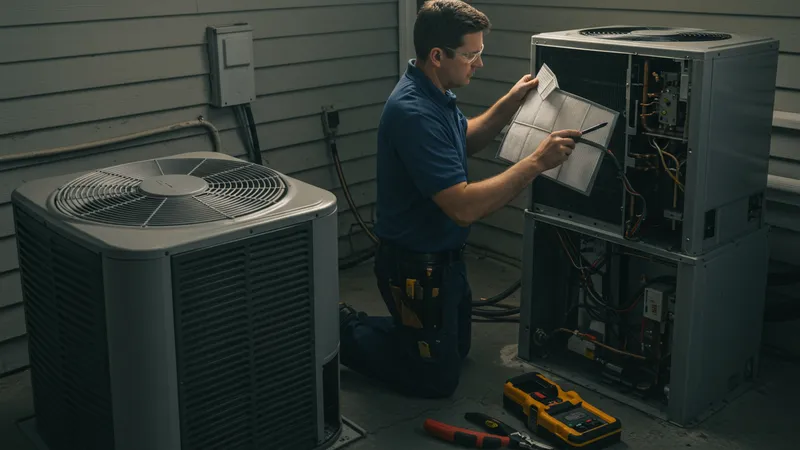
Preventive maintenance is often considered advantageous because it may reveal early warning signs of possible system faults. Indicators such as unusual noise, irregular cooling cycles, or increased electricity usage could be identified during these stages. Early identification of such issues allows for targeted upkeep measures that may help avoid unexpected breakdowns and higher repair costs at a later time.
Service technicians may also check and calibrate the controls and thermostat as part of the overall AC service process. Ensuring that these components are functioning as intended often improves user comfort and may enhance system response times. If calibrations or adjustments are needed, they are typically performed using manufacturer guidelines and precision instruments.
The protocols involved in AC service may also require documentation and reporting. After completing the maintenance process, a service provider typically supplies the property owner or manager with a record of the work performed. This record can include details of findings, components serviced or replaced, and any recommendations for ongoing upkeep. Clear documentation may support equipment warranty compliance and future troubleshooting efforts.