
AC Service: Understanding Maintenance Processes And Benefits

Air conditioning service involves a comprehensive set of processes designed to maintain, inspect, and optimize the performance of air conditioning (AC) systems. Understanding these maintenance processes and their potential benefits may help property owners, facility managers, and users ensure consistent indoor comfort and potentially extend equipment lifespan. The focus on AC service relates specifically to regular maintenance methods, system checks, and the general advantages often linked to proper upkeep, rather than the installation of new systems or urgent repairs.
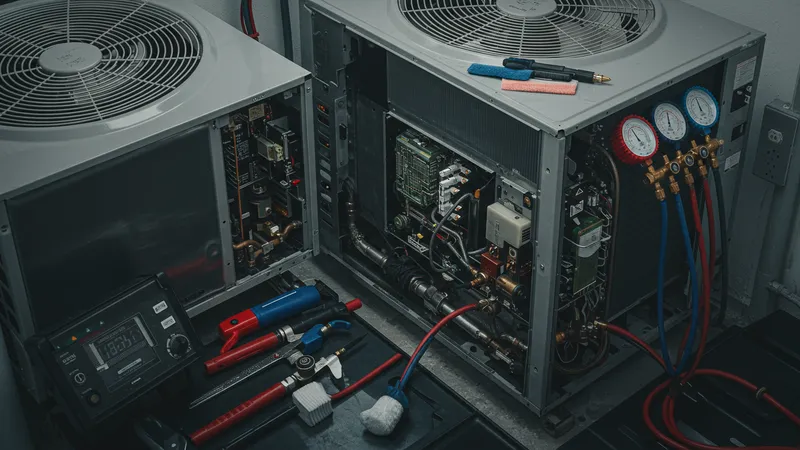
Routine maintenance within AC service typically includes steps such as skill-based inspections, cleaning internal components, monitoring refrigerant levels, and evaluating energy efficiency. Different parts of an AC unit may require individual attention to function optimally and minimize operational faults. Maintenance intervals can vary depending on manufacturer guidance, climate conditions, and equipment use, with many industry sources suggesting professional servicing at least once annually. The overall objective is to maintain reliable cooling performance while potentially reducing avoidable breakdowns or energy waste.
- Filter Cleaning: Removal and cleaning or replacement of the air filters to support air quality and system airflow. Standard replacement filters may cost approximately $10–$30 USD per unit. For further reference, see EPA Guide to Air Filters.
- Coil Inspection & Cleaning: Attention to evaporator and condenser coils, which may accumulate dust or residues. Cleaning coils can be priced at roughly $50–$150 USD as part of a maintenance package. Official recommendations are discussed at US Department of Energy: Maintaining Your Air Conditioner.
- Refrigerant Level Check: Assessment and, if necessary, adjustment of refrigerant levels which may impact overall efficiency and cooling. Costs for this check or potential recharge service can often range from $100–$300 USD, depending on the system and refrigerant type. Guidelines are outlined in EPA Refrigerant Guidance.
Regular filter maintenance forms a core component of most AC service schedules. Filters can collect dust, pollen, and other airborne particles over time. If not changed or cleaned, air filters may impede system airflow and could contribute to reduced indoor air quality. Most guidelines indicate that filters should be checked and, when needed, replaced or cleaned every one to three months, although frequency may depend on usage and environmental exposure.
Evaporator and condenser coils play essential roles in the heat exchange process. Dust and grime on coils can decrease system performance and may require routine cleaning to restore optimal heat transfer. While some users opt for do-it-yourself cleaning using soft brushes or coil cleaners, professional inspection is commonly advised since coils are sensitive and may be located in hard-to-reach areas.
Checking the refrigerant level is a technical step within AC service approaches. Incorrect refrigerant amounts may reduce cooling capacity and could elevate energy consumption. As handling refrigerants falls under specific environmental and safety regulations, certified professionals are typically responsible for performing this task and identifying potential leaks or inefficiencies.
Maintenance tasks may be completed individually or as part of service packages offered by HVAC specialists. Bundled maintenance programmes can typically include further steps such as duct inspections or the calibration of system controls. The precise actions undertaken depend on the brand, age, and model of the air conditioning unit as well as user requirements and environmental context.
In summary, AC service processes revolve around carefully timed and technically informed maintenance practices—such as filter changes, coil cleaning, and refrigerant checks. These actions are designed to help preserve indoor air quality, system efficiency, and overall reliability. The next sections examine practical components and considerations in more detail.