
FIFA World Cup 2026: Key Match Schedule, Venues And Format Explained

FIFA World Cup 2026: Key Match Schedule, Venues and Format Explained — Venues and host-nation distribution
For a co-hosted tournament, venue selection spans multiple cities across the participating host nations, and stadium allocation aims to spread matches geographically while considering stadium capacity and regional accessibility. Host nations usually provide a roster of candidate stadiums that meet competition standards for pitch dimensions, lighting, broadcast facilities, and spectator amenities. Venue lists may include both existing stadiums upgraded to meet requirements and those with recent renovations. Allocation balances the desire to involve multiple regions with operational constraints like transportation and accommodation capacity.
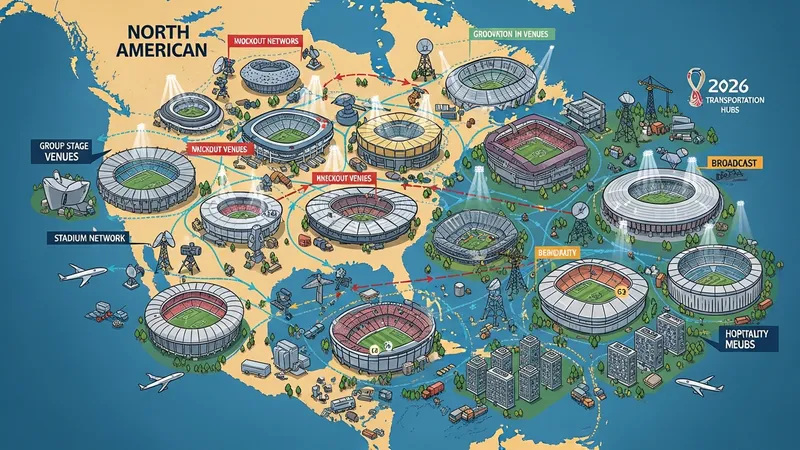
Match distribution often assigns group-stage fixtures across a diverse set of stadiums so that numerous host cities receive matches. Tournament organizers may allocate particular group matches to venues with appropriate seating and regional interest in the participating teams. During knockout rounds, venue selection typically emphasizes stadiums with larger seating capacities and advanced broadcast infrastructure to support higher demand. The geographic spread of venues can also influence national team travel plans and venue usage patterns across the tournament timeline.
When venues cross international borders within a single tournament, organizers need to coordinate border control, customs, and accreditation processes to facilitate team and official movement. These cross-border logistics can affect scheduling choices by introducing additional time for transfers between venues in different countries. Event planners often work with host governments to streamline entry procedures for teams, officials, and accredited media in order to reduce schedule disruption and optimize time allocated for team preparation and recovery.
Venue scheduling may also reflect local climate and seasonal considerations; certain regions may be more suitable for scheduling matches at specific times of day to avoid extreme heat or precipitation. Stadium surfaces and maintenance schedules feed into the match calendar, too, since pitch recovery time between high-intensity matches is an operational factor. Overall, venue distribution and scheduling are coordinated to balance competitive fairness, spectator access, and operational feasibility across all host locations.